
Every January, you might hear about ‘Blue Monday’ – often called the most depressing day of the year. But here’s the truth: Blue Monday is a myth, and what really matters is winter wellbeing for children, which can be affected by shorter days and colder weather.
What is real, though, is how the winter months can affect our wellbeing. Shorter days, darker mornings, colder weather, and less time outdoors can all take their toll on children’s mood, energy, and emotional health. For families, this season can sometimes feel long and draining.
At Happy Mojos, we know that with the right strategies, children can thrive all year round. This blog shares practical tips to boost winter wellbeing for children, while also offering support for parents who want to create calmer, brighter days at home.
👉 If you’re looking for more structured support, take a look at our Parenting Programme designed to help with everyday challenges like bedtime battles, sibling rivalry, and meltdowns.
Why Winter Can Impact Children’s Wellbeing
Even though “Blue Monday” is just a clever marketing idea, many families do notice changes in children’s behaviour and mood at this time of year. Shorter daylight hours and less outdoor play mean:
- Reduced physical activity, which is linked to higher stress and lower mood.
- Less exposure to natural light, which can affect the body’s circadian rhythm and vitamin D levels.
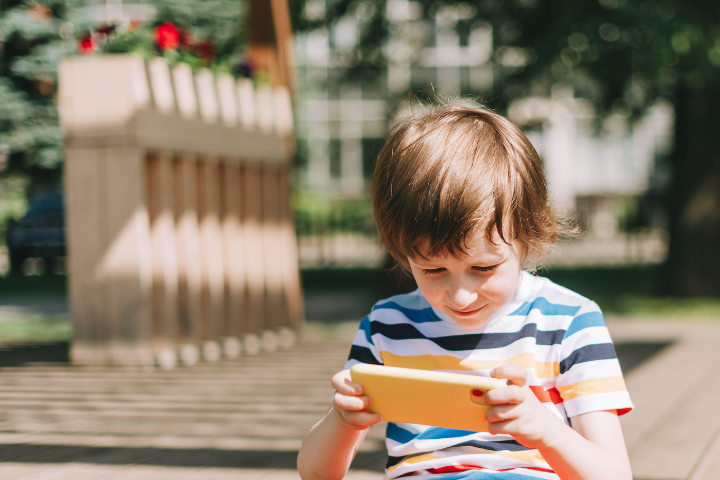
- Increased screen time, as dark evenings often mean more devices and less active play.
- Disrupted routines, especially after the excitement of Christmas, which can leave children feeling unsettled.
Research from the Mental Health Foundation shows that January can feel tougher, not because of one “bad day,” but because of the cumulative effect of these seasonal factors.
The good news? Small, consistent steps at home can make a big difference to winter wellbeing for children.
Get Moving: The Power of Play & Exercise
Movement is one of the simplest and most effective ways to to support winter wellbeing for children. When kids get active, their brains release endorphins – the “feel good” hormones that improve focus, reduce stress, and promote better sleep.
Practical ideas for winter movement:
- Indoor dance party – put on a playlist and let children dance it out.
- Yoga for kids – try simple stretches or follow a short Cosmic Kids Yoga video.
- Winter walks – even a 20-minute walk wrapped up warm can lift energy.
- Obstacle courses – set up chairs, cushions, or tunnels indoors for fun physical challenges.
At Happy Mojos, our Stretch & Shine school workshops focus on movement, breathing, and play to support social, emotional, and mental health. These same principles can be applied at home too.
Stay Connected: Building Emotional Warmth
Children thrive on connection. Spending time together and talking about feelings helps children develop resilience and emotional literacy. During winter, when routines feel harder, carving out small moments of connection can make all the difference.
Ways to stay connected this winter:
- Daily check-ins – ask questions like “What made you smile today?” or “What was tricky for you?”.
- Family rituals – reading together before bed, Sunday walks, or hot chocolate evenings.
- Playful bonding – board games, Lego building, or cooking together.
Creating emotional warmth at home helps children feel secure, even when the outside world feels dark or uncertain.
If your child needs more structured opportunities for connection, our Mini Mojos holiday clubs provide a nurturing space where children can build friendships, practice social skills, and explore through play.
Create Light & Routine: Supporting Calm & Stability
Light and routine play a powerful role in regulating children’s wellbeing during winter. Natural daylight helps reset the body’s internal clock, improving sleep and concentration. Meanwhile, predictable routines give children a sense of security.
Practical tips for light and routine:
- Maximise daylight – open curtains early, play near windows, and spend time outdoors when possible.
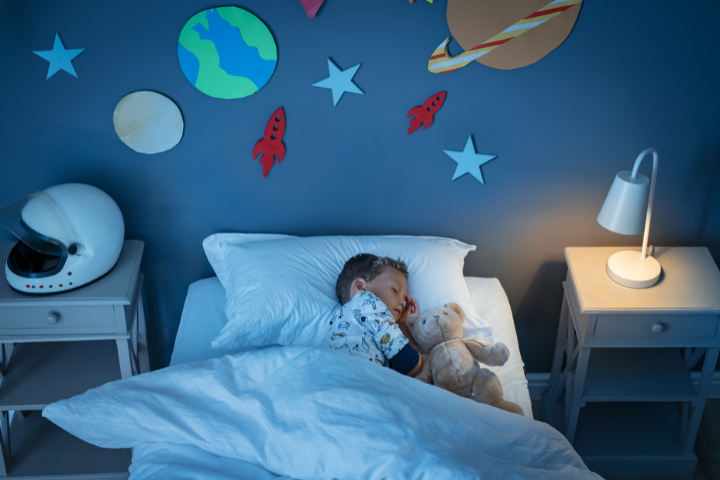
- Bedtime consistency – keep regular sleep and wake times, even on weekends.
- Mealtime rhythms – eating at the same times helps stabilise energy and mood.
- Cosy evenings – create calm with warm lighting, storytime, or gentle music.
For more advice on healthy sleep routines for children, check out NHS tips on sleep for kids.
Supporting Parents Too 💜
Children’s wellbeing is closely linked to how supported parents feel. Parenting in winter can feel overwhelming – short days, long to-do lists, and trying to juggle everyone’s needs.
One simple strategy is the RAIN mindfulness tool, which can help parents manage stress:
🌧 Recognise what’s happening
🌧 Allow the experience to be there
🌧 Investigate with care and curiosity
🌧 Nurture with self-compassion
If you’re struggling with stress, our blog From Overwhelm to Calm: Practical Stress-Busting Tips for Parents shares simple techniques for finding calm on busy days.
Let’s Make Winter Brighter for Children
While Blue Monday may not be real, supporting children’s wellbeing in winter certainly is. With small steps like movement, connection, and routine, families can help children stay calm, curious, and joyful during the darker months.
At Happy Mojos, our mission is to create spaces where children flourish – whether through after-school clubs, in school programmes, holiday programmes, or our Parenting Programme.
💛 Remember: brighter days are always ahead, but with the right support, children’s minds and hearts can shine even in winter.