
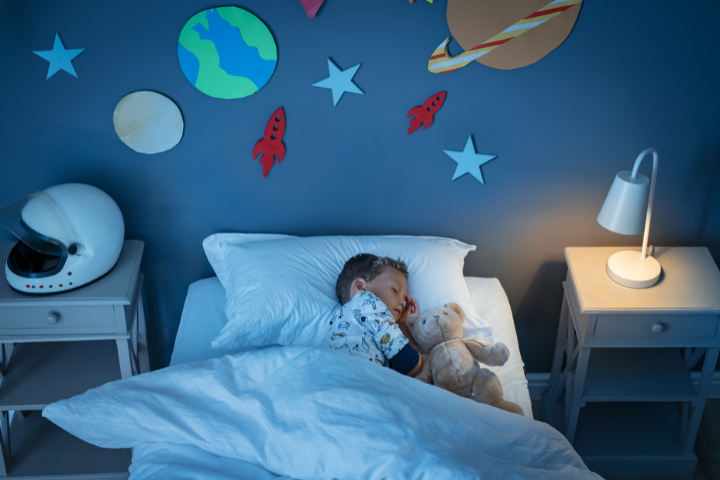
March marks National Bed Month, a time to spotlight the often-overlooked importance of sleep in our lives. While adults frequently grapple with sleep-related challenges, it’s our children who are particularly vulnerable to the effects of inadequate rest. In this blog, we share children’s sleep resources for parents, explore the science of sleep and its profound impact on children’s mental health and learning, and provide practical strategies to help children thrive.
The Crucial Role of Sleep in Child Development
Sleep is far more than just a nightly routine; it is a dynamic process essential for growth, learning, and emotional stability. For children, quality sleep underpins several key areas of development:
- Brain Development: Sleep facilitates memory consolidation, cognitive processing, and problem-solving skills. Children who get adequate rest are more alert in school and better able to retain new information (Sleep Foundation).
- Emotional Regulation: Adequate sleep allows children to manage their emotions effectively, reducing mood swings and irritability. Poor sleep can lead to heightened stress responses and emotional reactivity.
- Physical Health: Sleep supports immune function, growth, and overall physical wellbeing. Children who sleep well are less likely to experience illness and maintain healthy energy levels throughout the day (HealthyChildren.org).
Research indicates that children who consistently receive sufficient sleep exhibit better attention spans, improved academic performance, and enhanced social interactions.
Sleep Deprivation and Its Consequences
Unfortunately, many children do not meet the recommended sleep durations. The National Sleep Foundation advises that children aged 6–12 years should get 9–12 hours of sleep per night, while teenagers need 8–10 hours (Sleep Foundation). Yet studies reveal a significant number of children consistently fall short.
Chronic sleep deprivation can have severe effects:
- Cognitive Impairments: Children may experience difficulty concentrating, memory lapses, and slower processing speeds.
- Emotional Disturbances: Lack of sleep increases irritability, anxiety, and depressive tendencies.
- Behavioral Issues: Sleep-deprived children often display impulsivity, hyperactivity, and risk-taking behaviors.
A study from the University of Georgia found that adolescents with insufficient sleep exhibited reduced connectivity in brain regions responsible for decision-making and self-regulation, correlating with behavioral challenges (UGA Today).
Parents struggling with these issues may benefit from joining the Happy Mojos Parenting Programme, which offers practical support and strategies to help children manage sleep and emotional regulation.
The Link Between Sleep and Learning
Sleep is critical for learning. During sleep, the brain processes and consolidates information acquired throughout the day. This process is vital for:
- Memory Formation: Sleep helps transform short-term memories into long-term knowledge, supporting academic achievement.
- Skill Acquisition: Motor skills, problem-solving abilities, and creativity improve when children get sufficient rest.
- Emotional Processing: Sleep allows children to process emotions and social interactions, promoting resilience and emotional intelligence.
Research published in Cell Reports showed that even a modest increase of 15 minutes in nightly sleep can enhance children’s cognitive performance and brain development (The Times).Programs like Happy Mojos Stretch & Shine integrate movement, play, and mindfulness to support mental wellbeing and improve sleep patterns in children.
Strategies to Improve Children’s Sleep
Parents and caregivers can adopt several strategies to promote healthy sleep habits:
- Establish a Consistent Bedtime Routine
Consistent bedtimes help regulate the body’s internal clock. A calm and predictable bedtime routine can make it easier for children to settle down and fall asleep. - Create a Sleep-Friendly Environment
Ensure bedrooms are cool, quiet, and dark. Using blackout blinds or white noise machines can improve sleep quality (NHS Sleep Advice). - Limit Screen Time Before Bed
Exposure to screens can interfere with melatonin production, making it harder for children to fall asleep. - Encourage Physical Activity
Regular exercise promotes better sleep quality. Even moderate activity during the day can improve rest (CDC Sleep Guidelines). - Monitor Diet
Avoid heavy meals and sugary drinks close to bedtime. Incorporating light, nutritious snacks can help support better sleep.
Implementing these strategies consistently can help children achieve the restorative sleep necessary for optimal mental health and learning. For parents seeking practical guidance, Happy Mojos offers resources and expert support, including the Parenting Programme, which helps families implement effective routines and strategies for children struggling with sleep and emotional regulation.
Additional Resources
Here are some helpful resources for parents and caregivers:
- Sleep Foundation – Children & Sleep
Offers comprehensive guidance on children’s sleep needs, including age-specific recommendations and tips for establishing healthy sleep habits. - Mind – Sleep and Mental Health
Provides insights into the connection between sleep and mental health, with practical advice for young people struggling with sleep issues. - HealthyChildren.org – Sleep
A resource from the American Academy of Pediatrics offering evidence-based information on sleep, including how much sleep children need at different ages and tips for promoting healthy sleep habits. - YoungMinds – Sleep Problems
A UK-based resource providing advice and support for young people experiencing sleep difficulties, including strategies for improving sleep quality.
These sites collectively serve as valuable children’s sleep resources for parents, offering guidance, tips, and evidence-based strategies to help your child get the rest they need.
By exploring these tools and strategies, parents can feel more confident in supporting their child’s sleep needs. Using reliable children’s sleep resources for parents ensures that you have practical, evidence-based guidance at your fingertips to help your child establish healthy sleep habits and improve overall wellbeing.