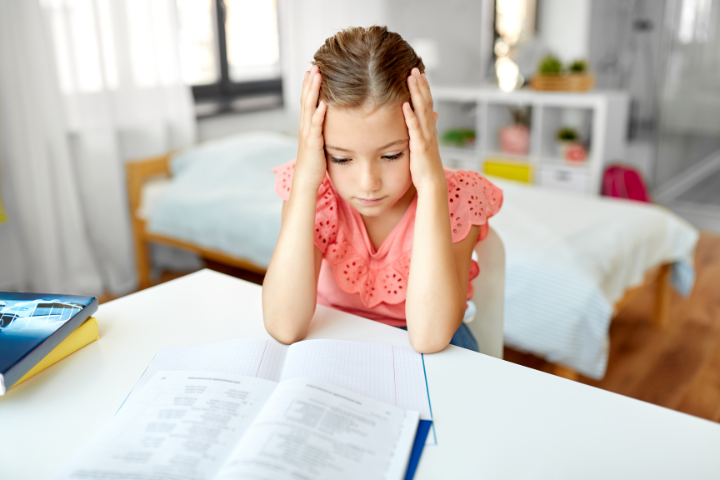
Every May, Mental Health Awareness Week encourages us to pause and reflect on our wellbeing. This year’s focus, running 11–17 May 2026, is a reminder that mental health matters just as much for children as it does for adults. It’s a chance to shine a light on the importance of helping children manage anxiety, build resilience, and develop lifelong tools for emotional wellbeing.
Anxiety is one of the most common challenges young people face with. From school pressures to friendship worries, children often carry big feelings they don’t yet know how to manage. The good news? With support, they can learn strategies to calm anxious thoughts, build resilience, and grow in confidence.
At Happy Mojos, we’re marking Mental Health Awareness Week by sharing practical tools that parents, carers, and teachers can use every day to support children. In this blog, you’ll discover simple approaches for helping children manage anxiety, including breathing exercises, mindful movement, journaling, creating safe spaces, and encouraging open conversations.
Why Focus on Helping Children Manage Anxiety During Mental Health Awareness Week?
According to YoungMinds, one in six children in the UK experiences a mental health problem, with anxiety being one of the most common. Without support, this can affect learning, relationships, and self-esteem.
That’s why Mental Health Awareness Week is such an important opportunity. It gives families, schools, and communities a chance to highlight children’s wellbeing, and to share practical strategies that can make a difference every day.
💡 Learn how our Rise & Shine and Stretch & Shine programmes bring whole-school approaches to mental health and resilience.
Breathing Exercises: A Simple Starting Point
When anxiety strikes, children often experience quick, shallow breathing and a racing heartbeat. Teaching calming breathing techniques is one of the quickest and simplest ways to restore calm.
Try This: Balloon Breathing
- Ask the child to sit comfortably with hands on their tummy.
- Inhale deeply through the nose, imagining their belly inflating like a balloon.
- Exhale slowly through the mouth, like letting the air out gently.
- Repeat 3–5 times.
This technique works well in the classroom before lessons or at home before bedtime.👉 For more tools, see NHS Every Mind Matters guidance on supporting children’s mental health.
Mindful Movement: Releasing Tension Through the Body
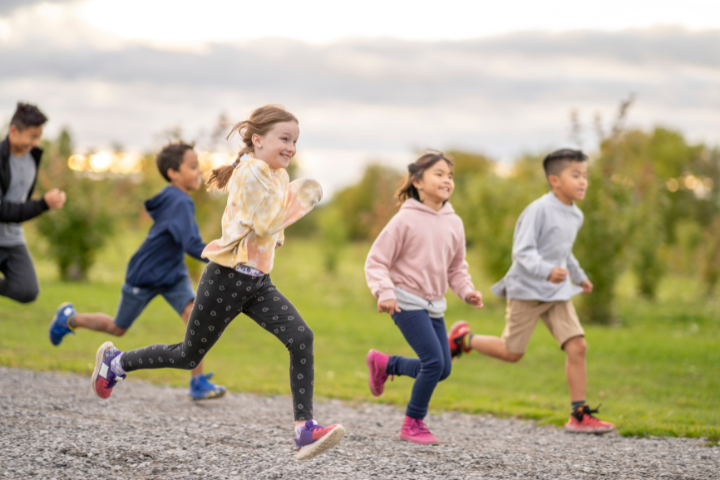
Movement helps children release nervous energy and reconnect with the present. Simple yoga poses, stretches, or playful activities can ease tension.
At Happy Mojos, our Stretch & Shine programme introduces children to fun, mindful movement that supports emotional regulation.
Simple Exercise: Star Stretch
- Stand with arms and legs stretched wide.
- Inhale deeply, reaching further.
- Slowly exhale while lowering arms.
- Repeat three times, noticing calmness return.
Movement is a powerful yet underused tool for helping children manage anxiety.💡See how our holiday clubs use movement and play to reduce anxiety and build confidence.
Journaling Feelings: Giving Worries a Voice
Children sometimes struggle to explain their emotions in words. Journaling offers them a safe, creative outlet.
- Younger children might draw their feelings as pictures or colours.
- Older children can write down worries, then add a positive thought or gratitude.
Journaling builds emotional awareness and shows children that worries can be externalised — not carried inside.
👉 Coming soon: Happy Mojos printable wellbeing journals for schools and families.
Creating Safe Spaces at Home and School
When worries feel overwhelming, children need safe, calming spaces where they can pause and reset.
At Home:
- Create a cosy corner with cushions, blankets, and a few mindful tools.
At School:
- Offer a “calm corner” or box of sensory aids (stress balls, colouring, fidget toys).
Having these spaces reinforces the message: it’s okay to take a break and care for your mental health.👉 For extra ideas, check Mind UK resources for children and young people.
Encouraging Open Conversations About Anxiety
Children need to know anxiety is normal — and that it’s safe to talk about it. Adults can help by listening without judgement and offering reassurance.
Conversation Starters:
- “It looks like you’re feeling worried — would you like to talk about it?”
- “When I feel nervous, I take three deep breaths. Would you like to try with me?”
The more open we are, the more children learn that sharing feelings is a strength.
💡 Our Parenting Programme offers practical tips for navigating meltdowns, sibling rivalry, and everyday worries.
Bringing It All Together for Mental Health Awareness Week
This Mental Health Awareness Week, let’s shine a light on children’s wellbeing. By teaching small but powerful tools — like breathing, mindful movement, journaling, creating safe spaces, and open conversations — we can equip children to face life’s challenges with resilience and confidence.
At Happy Mojos, we’re committed to helping children manage anxiety and supporting families and schools with practical, preventative approaches to wellbeing.
Further Resources
- YoungMinds – Anxiety in Children
- NHS Every Mind Matters
- Mind UK – Helping Your Child Cope
- Mental Health Foundation – Mental Health Awareness Week
💡 Explore more with Happy Mojos:
Mental Health Awareness Week is the perfect reminder that small, everyday strategies make a huge difference. With encouragement, consistency, and understanding, we can all play a role in helping children manage anxiety — not just during Awareness Week, but every single day. If you would like to get in touch to explore the best approach for you or your school, email us at [email protected].